

 See My Latest Article on HelloNation
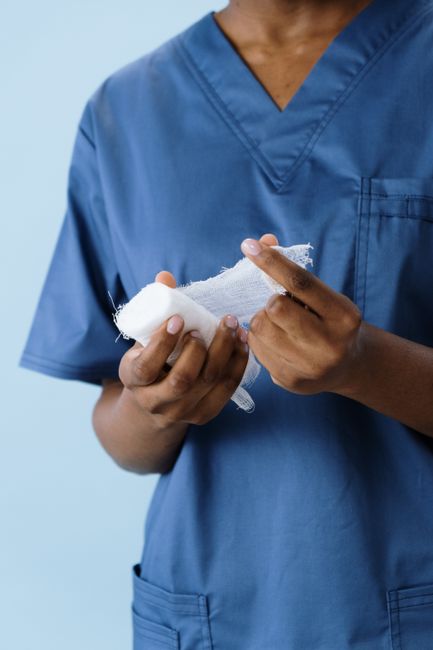
How Should Minor Cuts and Scrapes Be Cleaned?
Minor cuts and scrapes are common, especially in active households. In Maumelle, AR, a simple rinse with clean, cool water is usually sufficient to clear away dirt and bacteria. Mild soap can be used nearby (not inside the wound) to help prevent infection. Avoid hydrogen peroxide or iodine directly on minor wounds as they can damage healthy skin cells and slow healing—water and gentle soap are safe choices for most households.
Steps:
- Wash hands thoroughly before touching the area.
- Hold the injury under running water for several minutes.
- Use a soft, clean cloth to gently pat away excess dirt.
- Only use alcohol or strong antiseptics when soap and water aren't available and the wound is at risk of contamination.
It's common for families to reach for more aggressive cleansers, but research shows that water and soap are just as effective for most small scrapes.
Should Bleeding Be Stopped, and How?
Mild bleeding often stops on its own, but controlling it at home is straightforward.
Apply firm but gentle pressure with a clean cloth or sterile gauze until the bleeding slows. Elevating the area above heart level (when possible) helps. Most minor injuries in the community will stop bleeding after a few minutes. If it does not, use steady pressure for up to 10 minutes. Do not use tourniquets for minor wounds, as this can cause unnecessary harm.
Residents sometimes believe dabbling or repeated wiping helps; instead, steady, gentle pressure is safest.
Do Local Factors Like Climate or Outdoor Activity Affect Wound Risks?
Yes. Maumelle experiences humid summers and mild winters, so children and adults alike spend considerable time outdoors gardening, biking, or engaging in neighborhood sports. That means dust, pollen, plant debris, and outdoor allergens commonly contaminate minor skin injuries.
Simple steps, such as rinsing off mud and outdoor debris quickly, reduce potential infection, particularly in the summer when wounds are slower to dry. Insects are also more active, which can complicate healing if sutured areas aren't covered.
Is It Necessary to Cover Small Wounds?
Covering small cuts and scrapes with a sterile, non-stick bandage or adhesive strip can keep out dirt and bacteria. While air exposure can help with healing, a clean dressing prevents friction from area activities—especially for children who play intensely—reducing the risk of reopening the wound.
- Change bandages daily or if they become wet or dirty.
- Gently clean the area each time.
- For scrapes on knees or elbows (where skin bends), flexible or breathable bandages help avoid irritation.
Local residents sometimes leave wounds open, thinking air heals faster, but a clean covering can prevent infection and speed up recovery, especially in humid or dusty conditions.
Should Topical Ointments or Creams Be Used?
A thin layer of petroleum jelly or plain antibiotic ointment helps most minor wounds stay moist, which promotes healing and reduces scab formation. There’s no need for medicated creams unless there are signs of infection.
Ointments should be applied sparingly and only to clean skin. Avoid thick creams, powders, or home remedies (like butter or herbal oils), as these can trap bacteria and may not be suitable for wounds in the area’s typical warm weather.
Residents sometimes hear about "natural" treatments, but over-the-counter, fragrance-free ointments remain the most reliable for at-home care.
What Are the Signs a Wound Is Not Healing Normally?
You should watch for increased redness, warmth, swelling, pus, or red streaks spreading from the wound. Fever, repeated bleeding, or persistent pain also suggest problems. Outdoor-related cuts may pick up bacteria common in soil or plant material; these can trigger infection symptoms within several days.
If a wound is not healing after a week, or any of these signs are present, further medical assessment may be needed.
Are There Ways to Prevent Scarring After a Scrape?
For most local families, preventing scarring means following basic wound care: gentle cleaning, keeping it moist (not wet), and avoiding picking at scabs. Scratching healing skin, especially during Maumelle’s allergy season, can worsen scars. Sun protection is also important—new skin burns easily, so using clothing or a bandage to shield healing wounds when outdoors can help minimize visible scars.
What Should You Never Do When Treating Minor Injuries at Home?
A few common actions should be avoided:
- Do not apply hydrogen peroxide, alcohol, or iodine directly to wounds.
- Never use cotton wool directly on open injuries, as fibers can get stuck.
- Do not ignore animal scratches or deep puncture wounds, especially from wild animals, due to increased risk of special infections.
- Avoid applying unproven home remedies like toothpaste, butter, or undiluted essential oils.
Routine care with soap, water, and a plain bandage protects healing skin far better.
How Can Local Residents Reduce Their Family’s Risk of Wound Infections?
Simple habits go a long way:
- Remind children to wear shoes outdoors, especially in shared play spaces.
- Keep tetanus immunizations up to date—an essential public health measure in this region.
- Store first aid supplies in a cool, dry place to avoid deterioration in Maumelle’s humid months.
- Replace bandages and ointments before they expire.
- Teach children and teens gentle cleaning habits and discourage picking at scabs or peeling skin.
Small steps like these keep minor injuries from becoming bigger problems in any household.